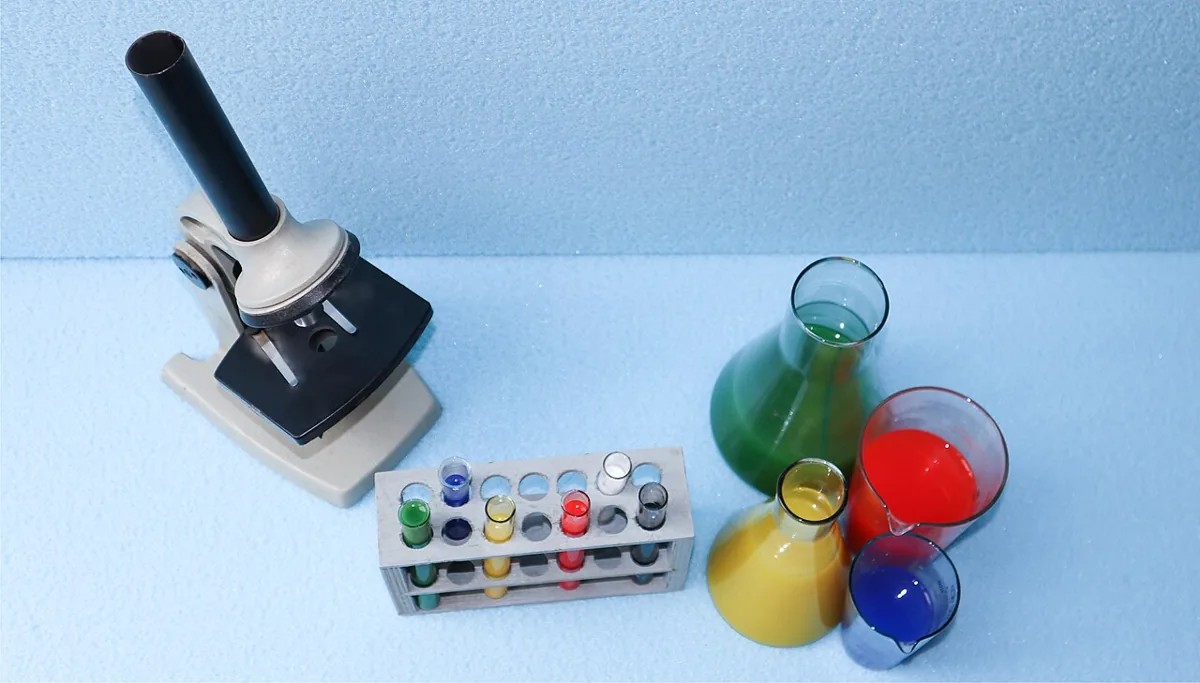
Understand what research work involves
Research begins with a question that cannot be answered responsibly by guessing. It may involve reading existing studies, designing a method, collecting information, analyzing results, and explaining uncertainty. Much of the work is careful and repetitive. Before seeking a position, identify a topic that interests you and read a few accessible examples of actual research in that area. Note what the researchers asked, what evidence they used, and what they could not conclude. You do not need to understand every technical detail immediately, but you should be willing to learn the methods that make the conclusions credible.
Look for appropriate supervision
Start with opportunities offered through your school, university, recognized research programs, or publicly listed faculty projects. Check what participants will actually do, who supervises them, what preparation is expected, and whether there are fees. Be cautious of programs that promise publication or authorship as a product. If you contact a researcher, write briefly about the relevant topic, what you have read, your current skills, and the time you can commit. Avoid sending an identical vague request to many people. For minors, use appropriate institutional and family safeguards rather than arranging unsupervised access to laboratories or sensitive research settings.
Contribute at the right level
A first contribution may involve organizing references, checking data quality, testing an analysis, or helping with a narrowly defined task. These activities can teach you a great deal if you understand their purpose. Ask about documentation, confidentiality, research ethics, and how credit is assigned before starting. Do not collect personal information or conduct experiments on people or animals without the required oversight. Keep a learning log that distinguishes what you completed independently from what others guided. Reliable, modest contributions are more valuable than an exaggerated project title that you cannot explain or defend.
Reflect on fit and next skills
At the end of the experience, write a short account of the question, your role, the methods you encountered, and what changed in your understanding. Seek feedback on one or two specific skills. Notice whether you enjoyed uncertainty, revision, and detailed investigation, not only the prestige associated with research. Ask what preparation would help you contribute more next time. Share work publicly only with permission and appropriate attribution. A research experience is useful even when it produces no publication, provided it develops your skills and gives you a more accurate view of the daily work behind scientific or scholarly claims.
Worked example: a modest contribution that teaches research habits
A fictional undergraduate asks a supervisor about a small literature-mapping task. The agreed brief is to locate a limited set of sources, record the search method and compare how a question is defined. The student does not independently recruit participants, collect sensitive data or claim authorship promises. They submit a sample after a few sources so misunderstandings can be corrected early. When two papers disagree, they document the difference rather than forcing a single conclusion. The experience reveals whether they enjoy careful reading, uncertainty and revision. Its value comes from supervised work and feedback, not from calling every course assignment a research publication.
Agree the scope before starting
Clarify the question, expected output, time commitment, meeting rhythm and who reviews the work. Ask what training, permissions or approvals are needed before handling data, materials or people. Discuss how contributions and any authorship would be determined without assuming a guaranteed publication. Keep notes on sources, decisions and unresolved problems in the format the supervisor requests. If the task grows beyond the agreed time or your competence, raise that early. At the end, ask for feedback on one strength and one next skill. You should be able to describe what you contributed and what remained the supervisor’s responsibility, without overstating the result.
Your next actions
- Read two relevant research papers
- Identify supervised opportunities
- Clarify scope, ethics, and credit
- Keep a contribution and learning log
Original editorial guidance. Professional review pending; local requirements vary.